
Categories
Diablo 4

Diablo 4: Greater Affix Farming and Crafting Guide

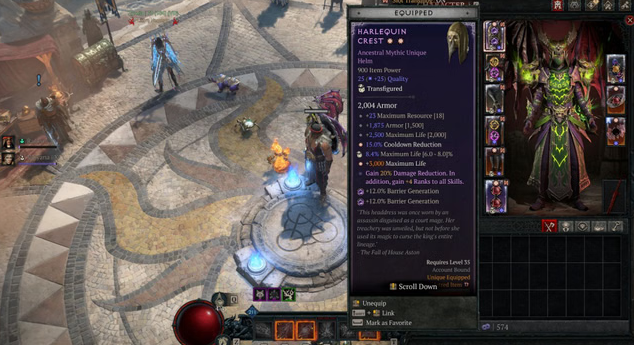
Greater Affixes (GAs) stand as the most powerful stat modifiers in Diablo 4’s endgame gear system. Unlike standard affixes, these upgraded stats feature a 1.5x maximum roll multiplier, drastically boosting a character’s offensive and defensive capabilities. Only Ancestral and Mythic items can spawn Greater Affixes, with top-tier gear supporting up to four stacked GAs. For players chasing endgame perfection, mastering GA farming and crafting is essential to build competitive, high-power characters.This will make your Diablo 4 Items even more powerful, enhancing your overall gaming experience.

Best Greater Affix Farming Methods

Tormented Pinnacle Boss Runs

Tormented endgame bosses including Duriel, Andariel, and Mephisto are the most reliable sources of high-quality GA gear. These pinnacle bosses have elevated drop rates for Ancestral and Mythic items with multiple Greater Affixes. Consistent boss rotations yield stable endgame gear, making this method ideal for players targeting endgame bis (best in slot) bases.

Kurast Undercity Tribute Farming

The Kurast Undercity stands out as the fastest targeted GA farming location. By activating high-tier Tributes of Armaments and utilizing the War Plans skill tree, players can spawn Portal Pranksters. These special enemies drop extra tribute chests, which significantly raise the chance of obtaining multi-GA items for specific equipment slots. This method excels for focused slot-specific farming.

Nightmare Dungeons and Helltides

Torment 8+ Nightmare Dungeons offer steady GA drops alongside valuable crafting materials and dungeon keys. This sustainable farming method works well for long-term group or solo play. Helltide events serve as a fantastic casual supplement, with guaranteed Ancestral item drops and solid GA spawn odds from Helltide chests.

Obol Gambling for Targeted Bases

Murmuring Obols gambling is perfect for fixing specific weak gear slots. Players can farm Obols efficiently via Escalating Nightmare Dungeons with Obol Reserve sigils. Gambling lets you target gloves, rings, amulets, and other key slots, avoiding random loot RNG and speeding up GA base acquisition.

Key Greater Affix Crafting Workflows

Selecting Qualified GA Bases

Successful GA crafting starts with a high-quality base item. Prioritize Ancestral items with 900+ item power and at least one desirable natural Greater Affix. Avoid bases with useless fixed stats, as they limit future crafting flexibility. A strong base reduces crafting costs and improves final roll quality.

Horadric Cube GA Refinement

The Horadric Cube is the core tool for GA customization. Players can transmute and reroll Greater Affixes using refined crafting materials. Unwanted GAs can be removed, while targeted desirable stats can be upgraded. This process lets players polish near-perfect bases into fully optimized endgame gear.

Tempering and Masterworking

After securing ideal GA rolls, tempering fine-tunes secondary stats to complement primary Greater Affixes. Masterworking further amplifies GA efficiency, unlocking the full potential of endgame gear. Always complete tempering before final masterworking to avoid wasting high-tier upgrade materials. If you are short on materials, you can also choose to purchase cheap Diablo 4 materials.

Pro Tips to Avoid Common Pitfalls

Focus on building-specific GAs instead of chasing random high-roll stats, as mismatched stats waste perfect bases. Balance farming and crafting: farm multiple qualified bases first before rerolling, to prevent material burnout. Additionally, save high-value Mythic bases only for endgame crafting, as their GA potential far exceeds standard Ancestral items.

In summary, combining targeted boss farming, Kurast Undercity runs, and precise Horadric Cube crafting creates the most efficient path to perfect GA gear. With consistent practice, players can steadily build fully optimized endgame builds for all Diablo 4 content.
Categories
Diablo 4

Best Rogue Builds to Play in Diablo 4 Season 13

The Rogue remains one of the strongest and most versatile classes in Diablo 4 Season 13. With incredible mobility, devastating burst damage, and multiple viable endgame archetypes, Rogue players can dominate leveling content, high-tier Pit pushes, boss farming, and speed-clearing activities alike. Whether you enjoy ranged combat, melee assassinations, or high-APM combo gameplay, Season 13 offers several excellent Rogue builds capable of carrying you deep into the endgame.

According to recent tier lists and community testing, Rogue continues to rank among the strongest overall classes this season thanks to its flexibility and consistent performance across multiple activities.

Heartseeker Rogue – The Best Overall Build

The Heartseeker Rogue is widely considered one of the strongest builds in Season 13. It combines auto-targeting ranged attacks with devastating critical hits and powerful cooldown interactions that allow players to melt bosses while maintaining strong area damage.

Recent community guides highlight Heartseeker as an S-tier build for both bossing and high-end content.

Why Heartseeker Is So Strong

The build revolves around turning a simple Basic Skill into a machine gun of destruction. Through gear synergies and legendary effects, Heartseeker arrows chain through enemies and trigger massive secondary explosions.

Key strengths include:

·Extremely serious single-target damage

·Smooth ranged gameplay

·Strong survivability through mobility

·Excellent boss farming efficiency

·Easy targeting for controller users

Unlike some mechanically demanding Rogue builds, Heartseeker offers a more accessible playstyle while still delivering elite-tier damage output.

Recommended Skills

Core skills commonly include:

·Heartseeker

·Dash

·Dark Shroud

·Shadow Clone

·Shadow Imbuement

·Concealment

Players typically prioritize Critical Strike Chance, Vulnerable Damage, and attack speed scaling.

Rapid Fire Rogue – Best Ranged Bow Build

For players who enjoy classic archer gameplay, Rapid Fire Rogue remains one of the most satisfying builds in Diablo 4 Season 13.

The build fires devastating arrow volleys that ricochet between enemies while maintaining exceptional single-target damage. Several experts have built guides that currently rank Rapid Fire as S-tier for endgame progression.

Why Players Love Rapid Fire

Rapid Fire excels because it combines precision gameplay with explosive screen-clearing potential. The build feels fluid and rewarding while offering:

·Excellent ranged safety

·Fast dungeon clears

·Great leveling performance

·Strong boss damage

·Smooth transition into endgame

It is also one of the better choices for newer Rogue players because the gameplay loop is straightforward to learn

Best Content for Rapid Fire

Rapid Fire performs exceptionally well in:

·Nightmare Dungeons

·Infernal Hordes

·Boss farming

·Open-world activities

·Mid-to-high Pit tiers

Players looking for a comfortable but powerful ranged setup should strongly consider this build.

Flurry Rogue – Best Melee Rogue Build

Melee Rogue fans finally have a highly competitive option in Season 13 thanks to the Flurry Rogue build.

Recent guides describe Flurry as a true melee powerhouse once players acquire the proper Unique Diablo 4 Items and gear setup.

Strengths of Flurry Rogue

Flurry delivers rapid close-range strikes capable of deleting entire enemy packs within seconds. The build combines mobility, Shadow Clone synergies, and area-of-effect damage to create one of the fastest melee playstyles available.

Advantages include:

·Fast-paced combat

·Huge AoE clearing

·Excellent mobility

·Strong farming potential

·Engaging gameplay mechanics

While Flurry can feel slightly weaker against certain boss encounters compared to Heartseeker or Rapid Fire, it remains highly effective for general endgame content.

Melee Rogue Challenges

Melee Rogue builds naturally require more precise positioning and survivability management. Community discussions have historically criticized melee Rogue’s viability, but Season 13 balance improvements and buy Diablo 4 Items synergies have significantly improved the experience.

If you enjoy aggressive assassin-style gameplay, Flurry is easily one of the most entertaining builds this season.

Penetrating Shot Rogue – Best High-End Pit Push Build

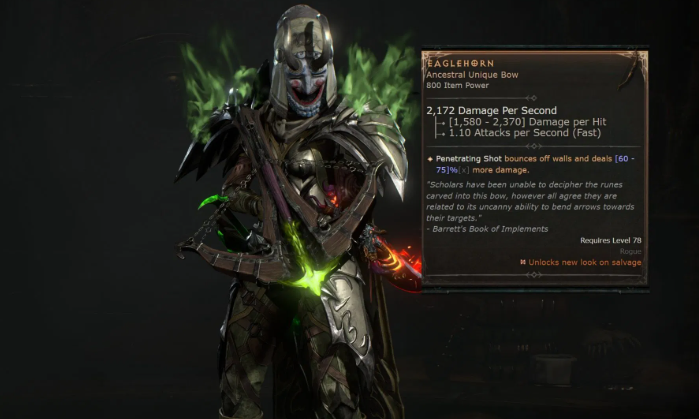
For elite players aiming to push the highest Pit tiers possible, Penetrating Shot Rogue has emerged as a top contender.

Recent high-end build showcases demonstrate the build clearing Pit 100 while dealing absurd burst damage numbers.

Why Penetrating Shot Excels

This build specializes in massive piercing attacks capable of instantly deleting elite packs and bosses alike.

Key strengths include:

·Incredible burst damage

·Excellent scaling

·High-end pushing potential

·Massive critical hits

·Strong range safety

However, Penetrating Shot requires stronger gear optimization than more beginner-friendly setups. It truly shines once players acquire top-tier Uniques and optimized Paragon Boards.

Best Rogue Build for Beginners

New players should strongly consider either Rapid Fire or Heartseeker Rogue.

Community recommendations consistently favor these builds because they offer:

·Easier gameplay loops

·Lower gear dependency

·Strong leveling efficiency

·Smooth endgame transition

·Excellent survivability

Reddit discussions from newer players often mention feeling overwhelmed by the number of S-tier Rogue options available, but many veterans recommend starting with simpler ranged builds before transitioning into more advanced setups later.

Best Rogue Build for Controller Players

Controller users often prefer builds with smoother targeting systems and lower mechanical intensity.

Heartseeker and Andariel Barrage-style setups are commonly praised by controller players for their comfortable gameplay. Community feedback also highlights how auto-targeting mechanics help reduce aiming frustrations on console.

Final Thoughts

Rogue is unquestionably one of the premier classes in Diablo 4 Season 13. Whether you prefer ranged combat, melee assassinations, or ultra-optimized endgame pushing, the class offers multiple top-tier builds capable of excelling in nearly every activity.

Categories
Diablo 4

How To Get Argent Veil In Diablo 4

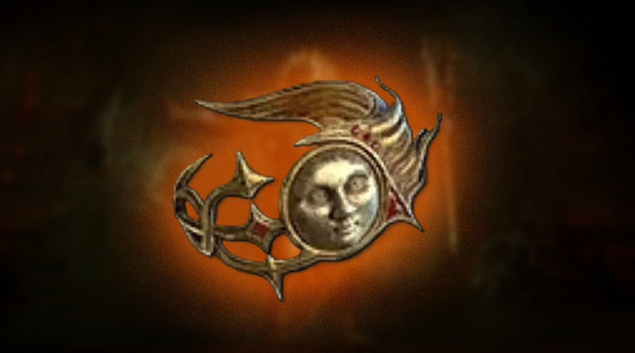
With the return of the Paladin class in Diablo 4’s Lord of Hatred expansion, players are scrambling to find the gear that turns a solid build into a devastating one. Among the Paladin’s most sought-after unique Diablo 4 Items is the Argent Veil-a one-of-a-kind ring that revolutionizes mobility and damage output by auto-casting core skills.

This ring is not just a luxury; it’s a game-changer for Paladin builds, especially those centered around the Arbiter of Justice skill tree. While acquiring it isn’t guaranteed, understanding the best farming methods and drop sources will significantly boost your chances. Below is a comprehensive guide to getting the Argent Veil in Diablo 4.

What Is Argent Veil, and Why Does It Matter?

Before diving into farming strategies, it’s crucial to understand why the Argent Veil is worth the effort. This unique ring is exclusive to the Paladin class, and its effects are tailored to amplify mobility-focused, high-damage builds.

The Argent Veil’s core unique effect transforms the Paladin’s Arbiter Form: every 2.0 meters traveled during Arbiter’s Evade triggers a random equipped core skill. Additionally, core skills deal 40–60% increased damage during Arbiter’s Evade and for 4 seconds afterward.

The real advantage is the zero-faith cost for these auto-cast core skills. For builds relying on expensive or life-consuming core skills-like Zeal with the Death or Glory upgrade or Fist of the Heavens-this ring removes the biggest barrier to constant damage output. It also boasts impressive base stats, including strength, maximum life, vulnerable damage, and core skill boosts, all of which scale with master crafting.

Primary Method: Boss Farming (Best Drop Chances)

The most reliable way to get the Argent Veil is by farming specific endgame bosses. While there’s no guaranteed drop, these bosses have the highest known chance of dropping the ring, making them the top priority for serious farmers.

Top Bosses to Farm for Argent Veil

Several endgame bosses can drop the Argent Veil, but the community has identified two standouts for their higher drop rates and farming efficiency: Echo of Duriel and Echo of Andariel. Both bosses are tough, but the reward is well worth the effort.

Echo of Duriel, a fearsome endgame boss, is a fan-favorite target for Argent Veil farming. He only spawns on Torment 1 difficulty or higher, so you’ll need a decently geared Paladin to take him down. His high drop rate for unique items, including the Argent Veil, makes him a staple in farming rotations.

Echo of Andariel is another top choice. Like Duriel, she requires Torment 1 or higher to spawn and offers a strong chance of dropping the ring. Many players pair Duriel and Andariel runs to minimize downtime and maximize drop opportunities.

Other bosses that can drop the Argent Veil include Harbinger of Hatred, Grigoire, and Lord Zir. While their drop rates are slightly lower, they’re still worth farming if you’re looking to mix up your routine or if the main two bosses feel too repetitive.

Tips for Efficient Boss Farming

To make your boss runs as efficient as possible, focus on building a Paladin that can clear Torment 1 content quickly. Prioritize mobility and survivability-abilities like Dash or Blessed Shield can help you move between bosses faster and avoid unnecessary damage.

You’ll also notice a progression loop: the Argent Veil helps you push to higher Torment difficulties (like Torment 4) with builds like Hammerdin, but you need to clear Torment 1 to farm the ring in the first place. Embrace this loop, and use lower-difficulty runs to gear up before tackling the target bosses.

Alternative Methods: No Boss Farming Required

If boss farming feels tedious, or if you’re looking to mix up your grind, there are two alternative ways to get the Argent Veil. These methods are less reliable but offer a welcome break from repeated boss fights.

Resplendent Chests in Nightmare Dungeons

Resplendent Chests-found inside Nightmare Dungeons-have a small chance to contain the Argent Veil. While the drop rate is lower than from bosses, this method is great if you’re already farming Nightmare Dungeons for glyph XP or other high-tier loot.

Focus on high-difficulty Nightmare Dungeons (Tier 30+) for better loot quality. Clear the dungeon quickly, prioritize opening Resplendent Chests, and repeat. Many players have reported getting the Argent Veil this way, so it’s worth adding to your routine if you enjoy dungeon runs.

Gambling at Purveyors of Curiosities

Another alternative is gambling your Murmuring Obols at Purveyors of Curiosities. These vendors let you gamble for unique rings, including the Argent Veil. While the odds are not guaranteed, this is a great way to use up excess Obols if you’re not getting lucky with boss drops.

To maximize your chances, save up as many Obols as possible before gambling-this increases the number of attempts you have. Focus on gambling for rings specifically, as this narrows down the loot pool and boosts your odds of getting the Argent Veil.

Bonus Tip: Optimize Your Build for Farming

While farming for the Argent Veil, optimize your Paladin build to maximize efficiency. Prioritize skills that boost mobility and clear speed-Arbiter of Justice is a must, as it’s required to trigger the Argent Veil’s effects once you get it.

Invest in talents that increase your damage against bosses or improve your survivability. Gear with increased movement speed and cooldown reduction will also help you clear content faster, whether you’re farming bosses or Nightmare Dungeons.

Final Thoughts

Getting the Argent Veil in Diablo 4 requires patience and consistency. There’s no guaranteed drop, but focusing on boss farming (especially Echo of Duriel and Echo of Andariel) will give you the best chance. For a change of pace, try opening Resplendent Chests in Nightmare Dungeons or gambling Obols at Purveyors of Curiosities. At the same time, MMOEXP also offers a wider selection of cheap Diablo 4 materials and gold.

Once you get the Argent Veil, you’ll immediately notice a difference in your Paladin’s performance. Its auto-cast core skills and damage boosts turn mobility into a weapon, making it one of the strongest unique items for the class. Stick with the grind, and soon you’ll be cruising through endgame content with this game-changing ring.

Categories
Diablo 4

Diablo 4 Season 11: Spawn Locations, Mechanics, and Rewards

Diablo 4 Season 11 delivers some of the most meaningful updates the game has seen yet. The return of Leaderboards, the introduction of the Tower dungeon activity, and major improvements to Tempering and Masterworking have reshaped endgame progression. However, the feature generating the most excitement is the arrival of a brand-new World Boss: Azmodan, the Lord of Sin.

Azmodan brings explosive mechanics, heavy battlefield control, and some of the best general-farming rewards in Season 11. This complete guide covers Azmodan’s spawn locations, combat mechanics, best strategies, and full reward pool, so you can defeat him confidently at any difficulty.

Azmodan Spawn Locations in Diablo 4 Season 11

Like other World Bosses, Azmodan appears on a global timer and spawns in one of six fixed outdoor arenas across Sanctuary. When the timer activates, his location is clearly marked on the world map.

Possible Azmodan Spawn Points

·Fractured Peaks – The Crucible

·Scosglen – Caer Adar

·Dry Steppes – Saraan Caldera

·Hawezar – Fields of Desecration

·Kehjistan – Seared Basin

·Nahantu – The Cauldron

All six arenas are wide, open spaces, designed to accommodate Azmodan’s massive size and relentless area-of-effect attacks. Mobility and spatial awareness are key to surviving this encounter.

Azmodan Strategy Guide: How to Defeat the Lord of Sin

Azmodan’s fight revolves around fire-based area denial, sweeping waves, and pressure that escalates as his health drops. While his mechanics are readable, mistakes are heavily punished-especially on higher World Tiers.

1. Maintain Mid-Range Positioning and Stay Near His Back

Standing in front of Azmodan is extremely dangerous. His most lethal attacks originate from his frontal arc.

Positioning Tips

·Ranged builds should stay at mid-range and rotate behind his legs

·Melee builds should hug his flank to avoid frontal waves

·Bring at least one mobility skill (Dash, Teleport, Blood Mist, Trample, Shadow Step)

High Fire Resistance and Elite Damage Reduction significantly improve survivability. Players attempting Torment-tier versions may want to optimise gear-or even buy Diablo IV Items-to meet defensive thresholds.

2. Dodge the Fiery Spike Trails

Azmodan frequently summons molten spikes that move outward or orbit him in wide arcs.

How to Avoid Them

·Move perpendicular to their travel path

·Pause briefly to read their direction before dodging

·Avoid panic dodging, which often leads directly into danger

These spikes are deceptively lethal and can chunk unprepared players.

3. Lava Waves – Azmodan’s Most Dangerous Attack

Azmodan’s signature move sends massive lava waves forward or backward, expanding as the fight progresses.

How to Counter Lava Waves

·Melee builds: Reposition instantly along his side

·Ranged builds: Pre-move before the animation completes

·If caught mid-wave, use a movement skill immediately

On higher difficulties, lava waves can easily one-shot players.

4. 80% Health Phase: Sweeping Lava Breath

At around 80% HP, Azmodan unlocks a wide cone-shaped lava breath attack.

Dodging Tips

·Strafe diagonally, not straight sideways

·Time movement skills after the attack begins

·Never attempt to facetank this ability

The animation is slow, but the damage is devastating.

5. 60% Health Phase: Balrog Add Wave

At 60% HP, Azmodan summons aggressive Balrog-style demons.

Kill Priority

1. Eliminate Balrogs quickly

2. Maintain safe positioning

3. Re-engage Azmodan once the arena clears

Ignoring adds can quickly overwhelm the battlefield.

6. Final Phase (5% HP): Meteor Circles

The final phase is the most chaotic. Massive meteors spawn around the arena and slowly drift inward.

Survival Strategy

·Move in continuous circles around Azmodan

·Never stand still

·Use a potion just before the phase begins

·Push damage aggressively to end the fight

This phase is where most deaths occur-mobility is everything.

Azmodan Loot, Rewards, and Weekly Drops

Azmodan offers one of the best loot tables among World Bosses in Diablo 4 Season 11.

Possible Azmodan Rewards

·Legendary items

·Unique Diablo 4 items

·Runes

·Exquisite Blood (used for Lord Zir’s Hoard)

·Tribute of Radiance (United)

·Tribute of Ascendance (United)

·Scattered Prism (socket crafting material)

These drops make Azmodan an excellent farming target for players optimising Season 11’s enhanced crafting systems.

Weekly Bonus Cache: Azmodan’s Spoils

Your first Azmodan kill each week grants an additional reward cache.

Azmodan’s Spoils Contains

·Extra Legendary items

·Large amounts of Gold

·Gem fragments

This weekly bonus alone makes Azmodan one of the highest-value open-world activities in Season 11.

Final Thoughts

Azmodan’s arrival in Diablo 4 Season 11 revitalizes the World Boss experience. His multi-phase fight, explosive mechanics, and valuable rewards make him one of the most engaging encounters in the open world. While not as punishing as pinnacle bosses like Lord Zir or deep Pit guardians, Azmodan still demands strong positioning, smart movement, and solid defensive stats.

For players chasing endgame efficiency, crafting materials, or powerful Diablo 4 items, Azmodan is a must-farm target-and one of Season 11’s standout additions.

Categories
Diablo 4

6 Darkest Quests in Diablo 4

Diablo 4 is known for its brutal combat, dark themes, and an ominous world filled with twisted lore. But it’s not just the enemies you face or the demonic horrors lurking in the shadows that make the game so grim—it’s the quests that push players to the edge of morality and question their place in a world overwhelmed by evil. From heart-wrenching decisions to horrifying scenarios, Diablo 4 offers some of the darkest quests in the Diablo series.

In this article, we’ll explore six of the most twisted, chilling, and morally ambiguous quests that Diablo 4 has to offer, each leaving an indelible mark on the player’s soul as they traverse the world of Sanctuary.

1. The Children of the Burning Heart

Quest Overview:

One of the most disturbing quests in Diablo 4 Gold is The Children of the Burning Heart, where players are tasked with investigating the mysterious disappearances of children from a village in the Scosglen region. The townspeople whisper of strange rituals and dark figures seen in the forest. What appears to be a routine investigation soon devolves into something much darker when players uncover that the children are being abducted to be part of a twisted demonic ritual led by a group of zealots.

The Darkness:

What makes The Children of the Burning Heart particularly dark is the cult’s objective: to summon a demon lord by sacrificing innocent children. As you delve deeper into the quest, you uncover a horrifying reality—these zealots believe that by sacrificing the purest of souls, they can open a gateway to the depths of Hell itself. The sight of children being trapped in cages, their fearful expressions as they await their fate, is a chilling representation of how far evil will go to achieve its goals.

The Choice:

Ultimately, players are presented with a moral choice: save the children or eliminate the cult and prevent the summoning ritual. However, there’s no easy path—if you save the children, they are left scarred for life, knowing that they came so close to a fate worse than death. If you destroy the cult and the demon’s ritual, you prevent a greater evil from being unleashed, but you have to confront the guilt of knowing that the children’s lives have been ruined, regardless of whether they survive.

2. The Lost Souls of Hell

Quest Overview:

The Lost Souls of Hell is one of the most emotionally harrowing quests in Diablo 4. In this quest, you’re tasked with investigating a long-abandoned monastery on the outskirts of Kehjistan. Once a place of healing and solace, the monastery is now home to vengeful spirits that refuse to rest. As you explore, you uncover a tragic story of betrayal and deceit—an entire order of priests was corrupted by Mephisto’s influence, and now their souls wander the grounds, endlessly tormenting one another in eternal punishment.

The Darkness:

What makes this quest so disturbing is not just the tragedy of the priests but the realization that their souls can never be redeemed. In Diablo 4, it’s common to battle demons and monsters, but the idea of fighting against the souls of once-pure individuals—now irrevocably damned—adds a personal dimension of horror. You encounter the ghosts of these priests, their faces twisted in agony as they relive their eternal damnation. Their prayers for salvation are heart-wrenching, knowing they are beyond redemption.

The Choice:

At the heart of this quest is the moral dilemma of whether to free these lost souls from their suffering or to leave them in their torment. Freeing them would release their spirits, but this comes at the cost of knowing that their sins can never truly be undone. Do you allow them to rest in peace, or do you leave them trapped in a cycle of pain as a reminder of the consequences of their choices?

3. The Hunger Beneath

Quest Overview:

In The Hunger Beneath, players find themselves in the desolate regions of the Dry Steppes, where an ancient hunger stirs beneath the earth. A series of disappearances has led you to a small town on the brink of collapse. There, survivors speak of an endless hunger consuming the land and its people. The town is overrun by grotesque, mutated creatures that were once human—twisted by a dark force that has turned them into ravenous, cannibalistic horrors.

The Darkness:

The most unsettling aspect of this quest is the horrific transformation of the townspeople into monsters, driven by an insatiable hunger. Players are confronted with the idea that, in this world, evil doesn’t just manifest in external demons but can warp the very nature of humanity itself. As you investigate further, you discover that the source of this curse is an ancient entity buried beneath the town, one that feeds on the suffering of humans, twisting them into grotesque versions of themselves.

The Choice:

As you delve deeper into the quest, you face the ultimate decision: destroy the ancient entity and end the cursed cycle, or attempt to reverse the transformation, potentially saving the townspeople at the cost of your own soul. This quest forces players to grapple with the morality of sacrificing their own well-being to restore others, as well as the ethical implications of eradicating a group of cursed humans who have long lost their humanity.

4. A Mother’s Grief

Quest Overview:

One of the more emotionally charged quests in Diablo 4 is A Mother’s Grief. Set in the grim world of the Fractured Peaks, the quest involves a mother who has lost her child to the horrors of the hellish forces. Consumed by grief and rage, she has become obsessed with resurrecting her dead child using dark, forbidden magic. As you investigate her tragic tale, you learn that she has made a pact with a demon in exchange for the ability to bring her child back to life.

The Darkness:

This quest taps into deep, universal emotions—the grief of losing a loved one and the desperation to undo death. However, the price of resurrection is far steeper than the mother could ever have imagined. Her obsession has led her to perform unholy rituals that threaten to unravel the very fabric of life and death. The sight of her child’s corpse being reanimated in twisted, monstrous form is nothing short of nightmarish.

The Choice:

The player is confronted with a powerful moral choice: destroy the demon and prevent the resurrection, knowing it will break the mother’s heart, or allow the resurrection to occur, only to witness the tragic consequences of disturbing the natural order. The darker path leads to an even more horrifying outcome, as the resurrected child is not the mother’s beloved offspring but a demon in disguise.

5. The Siren’s Call

Quest Overview:

The Siren’s Call is a quest set in the coastal regions of Sanctuary, where a strange, otherworldly song can be heard by all who pass near the cliffs. Initially thought to be the work of a mere siren or sea creature, the song actually originates from an ancient and malevolent entity buried beneath the waves. The entity has a hypnotic hold on the minds of those who listen to its song, drawing them to the edge of madness.

The Darkness:

As you venture into this quest, you learn that the siren’s song is not merely an enchanting melody but an ancient form of mental manipulation. Those who hear it are driven to madness, turning them into mindless killers. What begins as a seemingly innocent quest to investigate strange occurrences quickly becomes a descent into terror as you uncover the horrifying truth: the siren is a vessel for a primordial evil that seeks to break free from its underwater prison.

The Choice:

The most harrowing aspect of this quest comes when you are forced to confront the entity’s hypnotic influence. You can either destroy the source of the song, severing the entity’s influence over the minds of the people, or delve deeper into the siren’s domain to silence the song forever—at the cost of risking your own sanity. Along the way, players may have to deal with the moral dilemma of killing those who have been corrupted by the siren’s influence, even though they were once innocent.

6. The Unseen Hand

Quest Overview:

The Unseen Hand is an especially dark quest set in the heart of the cursed city of Hawezar, where secretive organizations and shadowy figures pull the strings from behind the scenes. The quest centers around a secret cult operating in the city, known only as “The Unseen Hand,” whose members are responsible for numerous grisly murders and unspeakable rituals. The cult uses their influence to manipulate the local government and control the flow of power within the city, all while remaining in the shadows.

The Darkness:

What makes The Unseen Hand so disturbing is the level of deception and manipulation involved. The cult’s leaders are master manipulators, pulling strings from the shadows to achieve their dark goals. As you progress through the quest, you are forced to make difficult decisions about whom to trust. The twisted nature of the cult’s actions—along with the personal betrayals you uncover—leaves players questioning the very nature of morality and authority in the world of Sanctuary in cheap Diablo 4 materials.

The Choice:

At the end of the quest, you are faced with the decision of whether to destroy the cult completely or expose their activities to the public, knowing full well that doing so could cause massive social unrest. The choice is morally ambiguous—do you allow the city to collapse in chaos, or do you strike at the heart of the cult, regardless of the costs?

Conclusion

Diablo 4 isn’t just about fighting demons and looting treasure; it’s about confronting the darkest corners of the human soul and grappling with the consequences of your actions. These six quests represent some of the most disturbing and thought-provoking experiences in the game, pushing players to question their morals and test their resolve. Whether it’s the tragic stories of lost souls, the desperate attempts to undo death, or the corrupting power of dark rituals, Diablo 4 delivers an unforgettable journey into the heart of darkness.