
Categories
Path of Exile 2

Path of Exile 2:Lightning Warp Chronomancer Build Guide (Patch 0.3.0)

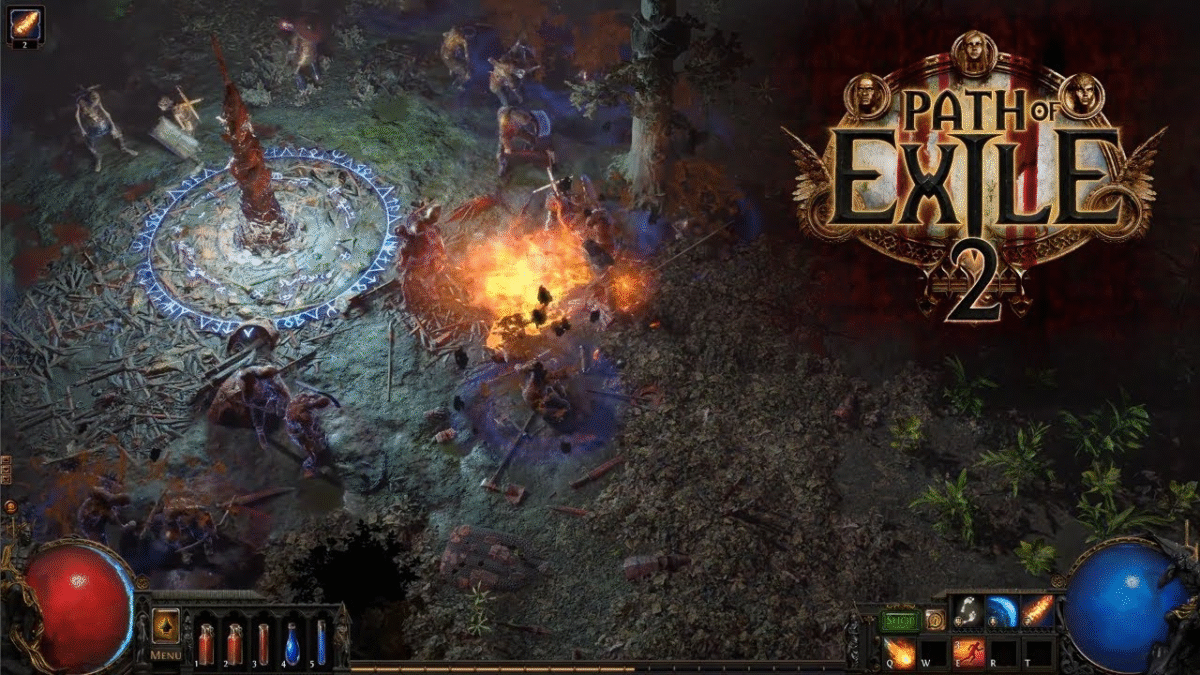
The Chronomancer is one of Path of Exile 2 most inventive new classes, and with patch 0.3.0 she quickly becoming a fan favorite. Instead of spamming projectiles or casting massive nukes like other spellcasters, this time-bending mage thrives on movement, resource control, and clever positioning. Among the most talked-about setups right now is the Lightning Warp Chronomancer-a build that turns mobility into raw destructive power.

Why the Lightning Warp Chronomancer Works

The magic of this build comes from two unique mechanics:

Lightning Warp detonates when you teleport inside enemies or into your own Ball Lightning projectiles.

Temporal Rift, the Chronomancer signature skill, rewinds you four seconds back, restoring Mana, Life, and your previous position.

Because both Ball Lightning and Lightning Warp are Mana-intensive, Temporal Rift is a perfect synergy piece, letting you dive into your own projectiles again and again without running out of resources. The result? Explosive, screen-wide AoE damage.

The trade-off is risk. Warping into enemy clusters or DoT pools is dangerous, so stacking defenses is critical. Balancing survival with raw burst damage is what makes this build both challenging and rewarding.

Recommended Gem Setup

This setup revolves around just two main skills:Ball Lightning for projectile fields and Lightning Warp for detonations. With the right supports, you can chain explosions indefinitely.

Lightning Warp:Efficiency-Pinpoint Critical-Rapid Casting-Lightning Mastery

Ball Lightning:Multishot-Unleash-Projectile Deceleration-Prolonged Duration

Cast on Critical Setup:Ball Lightning-Nova Projectiles-Efficiency-Prolonged Duration

Lightning Bolt (Choir Proc Support):Lightning Mastery-Deliberation-Cooldown Recovery-Concentrated Area

Why Multishot Is Essential

Multishot reduces Ball Lightning single-hit damage but massively increases projectile count. More orbs mean more warp points, which means more explosions-the real source of your DPS. It’s a core piece of this build identity.

Gear Priorities

The Lightning Warp Chronomancer leans heavily on a few key stat priorities:

1.Critical Strike Chance and Multiplier-More crits mean bigger, more reliable detonations.

2.Mana and Regeneration-Keeps your engine running through constant warps.

3.Defensive Layers-Resistances, Energy Shield, and recovery to handle diving into danger.

Core Unique:Choir of the Storm

This amulet is a must-have. On crits, it bypasses enemy Lightning Resistance and fires off extra Lightning Bolts, giving you even more free damage. Because of this, crit scaling becomes even more valuable.

Other good item rolls include:

Increased Energy Shield and recharge rate

Flat Mana and Mana regen on rings/belts

Movement speed and cast speed for smoother mobility

(Pro tip:Many players grab some early POE 2 Currency to speed up crafting or secure their core uniques faster.)

How to Play the Build

The playstyle is simple but explosive:

1.Fill the battlefield with slow-moving Ball Lightning projectiles.

2.Warp directly into them with Lightning Warp to set off AoE detonations.

Every crit also triggers free Lightning Bolts via Choir of the Storm, layering even more damage on top of your warp detonations. With Temporal Rift always ready to reset resources and reposition, you can keep the fireworks going while staying alive.

The Lightning Warp Chronomancer stands out as one of the flashiest and most fun builds in Path of Exile 2 current meta. It takes the humble Ball Lightning and transforms it into a playground for warp-triggered chain reactions. The build demands Mana sustain, crit scaling, and solid defenses, but with the Chronomancer toolkit, it’s more than manageable.

If you love mobility, spectacle, and watching entire packs melt in seconds, this is a build worth mastering. Use MMOexp instant buy Path of Exile 2 Currency to enhance your journey in Path of Exile 2! With the right gearing-and a little help from trading or farming-you’ll find the Lightning Warp Chronomancer ready to dominate both campaign and endgame content in PoE 2.

Categories
General

Path of Exile 2: The Sorceress Class Guide

Path of Exile 2 introduces an evolved gameplay experience, expanding on the original foundation with revamped systems and reimagined class archetypes. Among these, the Sorceress stands out as a devastating ranged spellcaster. As a spiritual successor to the Witch, she harnesses raw elemental magic to dominate battlefields from a distance — offering incredible power in exchange for fragile defenses.

The Sorceress is defined by her mastery of elemental forces. Specializing in Intelligence, she excels at dealing massive spell damage with fire, cold, and lightning-based abilities. Whether disintegrating enemies with fireballs, freezing foes in place, or unleashing lightning storms, she turns combat into a controlled chaos of elemental destruction.

Sorceress Strengths

Unrivaled Spell Damage

The Sorceress is built to obliterate. Her access to high-scaling spells like Fireball, Ice Nova, and Lightning Strike allows her to clear packs of enemies swiftly while also bursting down bosses. She thrives in both solo content and party play as a reliable damage dealer.Power up your journey in Path of Exile 2 with instant POE 2 Currency at MMOexp!

Elemental Versatility

Unlike classes locked into a single damage type, the Sorceress can rotate through elements to adapt to enemy resistances. Encountering a boss immune to fire? Switch to cold or lightning. This flexibility gives her an edge across the campaign and in late-game encounters.

Crowd Control Expertise

Combat control is another strength in her arsenal. Spells like Frost Nova can freeze groups of enemies, while others apply slows or chills to reduce enemy threat. Strategic use of crowd control not only buys her time but also sets up devastating combos.

Superior Mobility

Mobility is a cornerstone of her survival. Spells like Flame Dash and Teleport allow her to stay mobile, reposition instantly, and escape danger. Mastering movement ensures she can kite enemies, avoid ground effects, and stay one step ahead of lethal mechanics.

Sorceress Weaknesses

Fragile Defenses

Low life and armor make the Sorceress highly vulnerable if caught out of position. She can’t endure much direct damage, so avoiding hits is vital. Positioning is everything — one mistake can be fatal.

Gear Reliant

Her true potential hinges on quality gear. Without the right modifiers to enhance her energy shield, elemental resistances, and spell damage, her damage output and survivability can suffer. Progression may feel uneven until key upgrades are secured.

No Frontline Presence

Unlike melee classes or tanks, the Sorceress lacks the tools to soak up damage or hold aggro. In group content, she depends heavily on allies to manage threat while she stays at range. Solo players will need to use every mobility and control tool at their disposal.

Energy Shield Dependency

Her primary line of defense — the energy shield — is powerful, but once it breaks, she’s dangerously exposed. Managing this shield is a core skill for Sorceress players, requiring awareness and timing to stay alive.

Strategic Tips for Sorceress Players

Want to bring out the best in your Sorceress? Here’s how to thrive:

Always Be Moving

Standing still is a death sentence. Use Flame Dash and similar skills to keep your distance and reposition often.

Build for Balance

Prioritize gear that enhances both offense and defense. Look for increased energy shield, elemental resistances, and cast speed.

Control Before You Cast

Use freeze and chill effects proactively. Controlling the battlefield gives you space to unload damage without being overwhelmed.

Diversify Your Elements

Prepare for resistance-heavy encounters by investing in spells across fire, cold, and lightning trees. Flexibility wins fights.

Mind Your Party Composition

In multiplayer, pair with tanks and supports. Let them absorb pressure while you focus on clean execution from the backline.Unleash your potential in Path of Exile 2. Get your cheap POE 2 Orbs instantly at MMOexp today!

The Sorceress is a thrilling choice for players who enjoy fast-paced, high-damage combat and tactical play. She offers some of the most visually satisfying and mechanically rewarding spellcasting in Path of Exile 2, with explosive power that can clear screens in seconds — if you can keep her alive.

She’s not for the faint of heart, but for those who enjoy a challenge, the Sorceress offers one of the most satisfying gameplay experiences in the game.

Categories
Path of Exile 2

Guide Map Crafting in Path of Exile 2

Path of Exile (PoE) has earned its place as one of the most intricate and engaging action RPGs on the market, offering players a vast and ever-expanding world filled with opportunities for crafting, loot, and character customization. For endgame players, map crafting is a crucial aspect of gameplay that can significantly impact how rewarding your experience is. This article will provide a detailed guide to map crafting in Path of Exile 2, building off techniques that players like Pom Mute Maniac employ, offering strategies, tips, and insights for optimizing map crafting and farming.

Understanding the Basics of Map Crafting

At its core, map crafting in PoE revolves around enhancing the quality of your maps, ensuring that you get the best rewards for your time and effort. Maps, the primary way to engage in endgame content, come in varying qualities, ranging from normal maps to high-tier, “juiced” maps that offer significantly higher rewards. Crafting a map involves applying various modifiers, such as increased monster rarity, quantity of items found, pack size, and additional challenges that can help boost your loot.

Map crafting can feel overwhelming at first due to the sheer variety of options available, but by breaking down the process and understanding the methods, you can maximize your map farm, generate better loot, and improve your gameplay experience.

The Importance of the Map Stash Tab

For players serious about crafting and managing their maps, investing in the Map Stash Tab is essential. This tab organizes your maps into different tiers and sections, allowing you to keep track of the various types of maps you’ve obtained. In your stash, each tier of map has a separate section with six little “micro tabs” that allow you to further organize your maps based on your preferences, such as “Bad Maps,” “Playable Maps,” and “Good Maps.”

By organizing your maps in this way, you make it easier to access high-tier maps when needed and ensure that you’re always crafting at maximum efficiency. You can also easily filter out bad maps, which do not offer any meaningful modifiers, saving time and effort.

Categorizing Your Maps: “Good,” “Playable,” and “Bad”

As Pom Mute Maniac explains, one of the first steps to crafting effectively is understanding what constitutes a good map versus a bad one.

  • Good Maps: These are maps that provide high rewards and offer modifiers like increased rarity of items, increased quantity of items, and experience boosts. These maps are perfect for party runs or when you want to maximize your loot. You’ll often find that these maps are juiced, meaning they have multiple beneficial modifiers stacked on top of one another.
  • Playable Maps: These maps are not as rewarding as good maps but are still valuable for farming. They typically have increased pack size and rare monsters. These maps might not give you the highest quantity or quality of loot, but they’re still decent for building up your stash of exalts, divines, and other valuable currencies.
  • Bad Maps: Bad maps are the ones you want to avoid as much as possible. They lack modifiers that increase loot quantity, rarity, or pack size. While they can still be run if you’re desperate or trying to farm certain bosses, they are generally unworthy of your time and currency. These maps are best kept in case you run out of better maps or if you need to sell them for currency.

By categorizing your maps into these three groups, you can easily focus on crafting and playing the best ones, saving your resources for the maps that truly matter.

Using Exalts, Regals, and Chaos Orbs for Map Crafting

Now that you have categorized your maps, it’s time to enhance them using Path of Exile 2 Orbs like Exalts, Regals, and Chaos Orbs. These orbs are essential for improving your maps and making them more lucrative.

  • Exalt Orbs: Exalts are used to apply additional modifiers to maps. When you use Exalts on a map, it can add various modifiers such as increased item rarity or monster quantity. This is often the most expensive part of the process, but it’s essential for creating high-tier, “juiced” maps that will give you the best loot possible.
  • Regal Orbs: Regal Orbs are used to upgrade a map from a normal to a rare map, allowing you to add more modifiers. You can use these on maps that you’ve already enhanced with basic crafting or by using a Chaos Orb.
  • Chaos Orbs: Chaos Orbs are primarily used to reroll a map’s modifiers when you’re unsure of the outcome or want to see if you can get a better combination. These orbs can also be used in the crafting process to modify the quality of maps.

By strategically using these orbs, you can fine-tune your maps to achieve the perfect balance of rewards and challenge.

Crafting with Omens and Alva

Omens are a critical part of crafting high-quality maps. They are a form of modifier that you can apply to your maps to guarantee certain effects when using Alchemy Orbs. For example, the Omen of Sinestral Alchemy guarantees prefixes that increase the rarity of items and the quantity of items found in a map. This is an effective way to enhance normal maps, turning them into high-quality maps that can give you greater returns on your investment.

As Pom Mute Maniac demonstrates, combining Omens with Exalt Orbs is an efficient method for turning normal maps into playable or good maps. You start by using an Omen to guarantee certain prefixes, such as increased item rarity or pack size, then use an Alchemy Orb to finish the job by adding other modifiers. If needed, you can use Exalts to finish off your crafting process and ensure the map reaches its full potential.

Enhancing Maps with Breachstones and Splinters

While farming maps, you’ll often come across Breachstones and Splinters, which can be exchanged for valuable currency. These items are highly sought after because they provide a means of obtaining higher-tier maps and loot. Pom Mute Maniac recommends trading your Breachstones and Splinters for Exalts, which can then be reinvested into further crafting.

By farming these items, you not only acquire valuable crafting materials but also gain additional resources that can help you fuel your map crafting process. This cyclical approach to crafting—farming, trading, crafting—ensures that your maps stay consistently juiced without running out of resources.

The Role of Delirium and Distilled Greed

Once you’ve juiced your maps to the highest tier possible, it’s time to take advantage of Delirium modifiers to further increase the rewards. One of the most effective ways to juice your maps with Delirium is through the use of Distilled Greed.

Distilled Greed is a Delirium orb that increases the chances of finding high-value loot in your maps. By applying this to your high-tier maps, you can boost your chances of obtaining rare and valuable items, such as Divines or high-end unique gear. This is particularly effective when you’re farming maps with multiple Towers clustered together, as you can maximize the rewards from these encounters.

Final Thoughts: Managing Your Maps and Currency Efficiently

Map crafting in PoE 2 is all about efficiency and maximizing your investment. By categorizing your maps, using the right currency orbs, and applying modifiers like Omens and Delirium, you can enhance your maps and ensure that you’re getting the most out of every run. It’s important to track your resources and keep an eye on the market for POE 2 Currency fluctuations, so you can buy and sell items at the best times.

Whether you’re an experienced endgame player or just starting to get into map crafting, these techniques will help you craft better maps, generate more loot, and enjoy a smoother, more rewarding PoE 2 experience.

Categories
Path of Exile 2

How to Insert Jewels into Jewel Slots in Path of Exile 2

Path of Exile 2 continues the legacy of its predecessor by offering deep customization options through its intricate skill tree and the addition of jewels. Jewels are powerful items that can enhance your character abilities, offering new ways to optimize builds and tailor your gameplay experience.

Jewels are special items that can be inserted into the passive skill tree, providing various bonuses and effects. They come in different varieties, each with unique attributes that can significantly impact your gameplay. Invest your success with POE 2 Currency in MMOexp now!Whether you’re seeking increased damage, improved survivability, or enhanced resource management, selecting the right jewels is crucial for building an effective character.

There are several types of jewels you can find in PoE 2, including:

Notable Jewels: These offer significant passive bonuses and can change the way your character functions.

Cluster Jewels: These provide additional passive skill nodes and can affect the adjacent passive skills in your tree.

Medium and Large Jewels: These have varying sizes and can accommodate different numbers of passive skill nodes.

Understanding the different types of jewels and their effects will help you make informed decisions when customizing your character.

To equip jewels in PoE 2, you need to follow a few straightforward steps. This involves accessing your inventory and the passive skill tree to properly insert your jewels into the slots.

Step 1: Access Your Inventory

Begin by opening your inventory. This is typically done by pressing the I key on your keyboard or clicking the inventory icon on your screen. Here, you will see all the items you currently possess, including your jewels.

Step 2: Open the Passive Skill Tree

Next, open the passive skill tree by clicking on the passive skill tree icon, usually located in the character menu. This tree is where you will manage your character passive skills and jewel slots.

Step 3: Select and Drag Your Jewel

Once the passive skill tree is open, locate the jewel you wish to equip in your inventory. Click on the jewel and drag it over to the jewel slot on the passive skill tree. You will notice that the slots are marked, and you can only place jewels in empty slots or those that you have already unlocked.

Before you can insert a jewel, you must unlock the corresponding jewel slot. This is done by spending a passive skill point. Here’s how to unlock a jewel slot:

1.Identify an Empty Slot: Look for an empty jewel slot on the passive skill tree. These slots are usually marked with a specific symbol.

2.Spend a Passive Skill Point: To unlock the slot, simply click on it. This action will deduct one passive skill point from your total, allowing you to use that slot for a jewel.

3.Confirm the Unlock: Once you confirm the action, the jewel slot will be activated, and you can now insert a jewel into it.

It’s important to strategize when spending passive skill points, as they are a limited resource. Prioritize unlocking slots that will significantly enhance your build.

After unlocking a jewel slot, inserting a jewel is a breeze. Follow these steps:

1.Select the Jewel: With the passive skill tree open, find the jewel you just unlocked the slot for.

2.Drag the Jewel to the Slot: Click on the jewel and drag it over to the unlocked slot. Release the mouse button to drop the jewel into the slot.

3.Enjoy the Benefits: Once the jewel is inserted, you’ll immediately notice its effects applied to your character. This could include increased damage, improved defenses, or other unique bonuses.

One of the most appealing features of jewel slots in PoE 2 is the ability to change jewels without incurring any cost. This flexibility allows you to adapt your build as you find new jewels throughout your journey. Here’s how to change jewels:

1.Open the Passive Skill Tree: Just like before, access your passive skill tree.

2.Select the Jewel to Remove: Click on the jewel you want to remove from the jewel slot.

3.Drag the Jewel Back to Your Inventory: Simply drag the jewel back into your inventory. This will free up the slot for a new jewel.

4.Insert a New Jewel: Now that the slot is empty, you can repeat the insertion process to add a different jewel.

Inserting jewels into jewel slots in Path of Exile 2 is a straightforward yet vital part of character customization. Join thousands of satisfied players – buy POE 2 Divine Orbs instantly at MMOexp today! By understanding the types of jewels available, the process of unlocking slots, and the flexibility of changing jewels, players can significantly enhance their builds and adapt to various challenges.

Categories
Path of Exile 2

Path of Exile 2 release date pushed back to December 2024

Grinding Gear Games (GGG) recently announced a delay for the highly anticipated Path of Exile 2 release, pushing it back to December 6, 2024. Originally slated for mid-November, the action RPG’s launch date was adjusted to ensure a seamless experience for players across PC, PS5, and Xbox Series X|S. Game director Jonathan Rodgers shared a video message explaining the rationale, particularly focusing on the need to finalize server infrastructure and smooth out data integrations that are crucial for a stable launch.

Why Path of Exile 2s Launch Was Pushed Back

Rodgers detailed how the intricacies of merging Path of Exile 1 (POE1) with Path of Exile 2 (POE2) required deeper, unexpected work in areas like server infrastructure and data migration. This involves creating robust connections for account integrations and microtransactions across both titles, a task that revealed several unforeseen challenges. Rodgers explained, “When you start migrating databases that are this old and with this much data, you find all sorts of strange demons in there.” Ensuring that players’ accounts and previously acquired items remain intact and functional is no small feat, as GGG aims to avoid any glitches that could affect gameplay.

The decision to delay was made to give the development team enough time to work on these technical demands without risking errors that could compromise player accounts or hinder early access play. Though the team felt they could have pushed to  POE 2 Currency for sale hit the original date, Rodgers admitted he no longer felt confident that such an attempt could be done without mistakes. By taking responsibility for the timing adjustment, he assured players that the delay is to guarantee a solid, polished game at launch.

The Communitys Reaction: Support and Understanding

The Path of Exile community has largely been supportive of GGG’s choice to delay, expressing gratitude for prioritizing quality over meeting a tight release window. In an era when game launches are often met with critical first impressions and review bombs, many players recognize that a stable, well-executed launch is far better than a rushed one. The stakes for Path of Exile 2 are high, and a smooth launch is essential to ensuring that the game receives the positive reception it deserves.

Managing Expectations for Path of Exile 2s Currency Market

Since Path of Exile 2 will include both returning and new players, it is expected that the currency market will undergo some initial fluctuations. The expansion of the player base often leads to shifts in the economy, as increased demand can drive up the prices of essential currency items. Moreover, the addition of new items and gameplay mechanics might affect the value of existing currency items.

This is an ideal time for players to start preparing their POE currency strategy. For those actively playing Path of Exile 1, building up reserves of commonly used currency items, such as Chaos Orbs and Exalted Orbs, may provide a head start when transitioning into POE2. Additionally, with the updated infrastructure, it is likely that GGG will implement measures to ensure fair pricing and market stability, which could help players avoid sudden shifts in currency value after launch.

How GGGs Commitment to Quality Reflects on the Future of Path of Exile 2

The delay of Path of Exile 2 reflects GGG’s commitment to providing a high-quality experience for their community, prioritizing both gameplay performance and long-term stability. As players wait for the new release date, they can take comfort in knowing that GGG’s dedication extends to the most intricate aspects of the game, from account security to the functionality of currency systems.

By refining the server infrastructure and load-testing to accommodate the influx of players, GGG is positioning Path of Exile 2 for a strong debut that lives up to the expectations of its community. These preparatory steps are particularly important because Path of Exile 2 is more than a sequel; it is an extension of the original game that will be accessible through the same accounts, allowing players to experience both games without losing progress or access to their items.

Looking Forward to Early Access and Beyond

On December 6, 2024, Path of Exile 2 will finally enter Early Access, marking a new chapter for the beloved ARPG. Players can look forward to exploring new mechanics, classes, and content, along with a refined currency system that maintains the complex economy that fans love. The delayed release has set the stage for Path of Exile 2 to make a significant impact in the ARPG landscape, and players can rest assured that their POE 2 Currency and items will transition smoothly into the new game.

As the community awaits launch day, the extended preparation time offers an opportunity for both new and veteran players to familiarize themselves with the unique aspects of POE currency, trade strategies, and market trends. With its attention to detail, GGG aims to deliver a comprehensive ARPG experience that will likely set a new standard in the genre, ensuring that the time invested in gathering POE 2 currency will be well worth it in the world of Path of Exile 2.